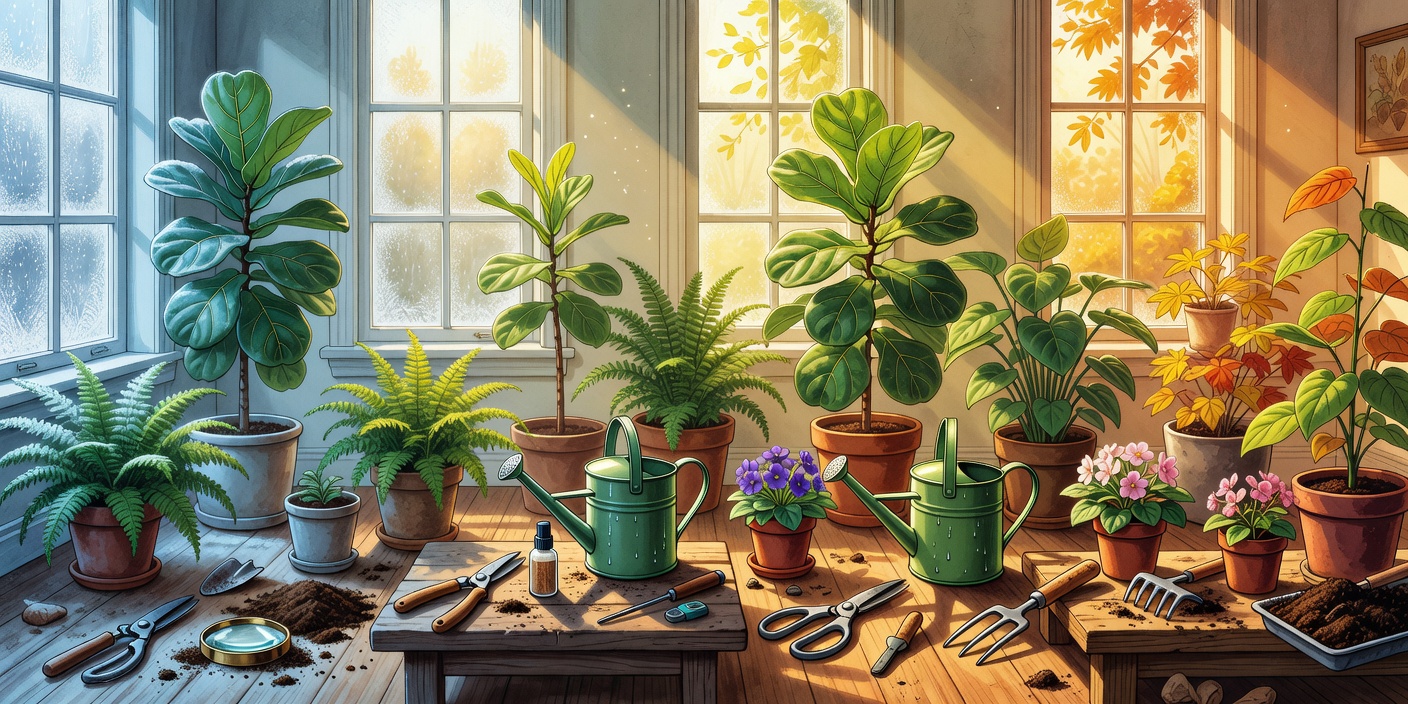
Maintenance is not the price paid after a beautiful garden has been installed. It is one of the materials from which that garden is made. A care routine should be designed with the same attention as the planting itself.
Begin by deciding who is responsible. In a private residence, care may be shared between the homeowner, household staff and a visiting horticulturist. Without clear ownership, plants can be watered twice, missed during an absence or treated with incompatible products. A short written record is more useful than an assumption that someone will notice.
Water according to conditions
A fixed weekly appointment is useful for inspection, but it should not mean every plant receives water on the same schedule. Water use varies with species, root development, substrate, container, temperature and light. The same plant may need a different interval after a change in season or location.
Check the root environment using methods appropriate to the container and plant. The surface alone can mislead when the lower root ball remains wet. Pot weight, a careful physical check and a suitable moisture probe can each contribute information. Learn how the particular plant behaves rather than relying on a universal rule.
When watering, use a method that suits the root system and allows excess water to be managed safely. Do not leave a nursery pot standing in unwanted runoff. Reservoir-based systems require their own instructions; their water level is not equivalent to the moisture condition of a conventional pot. Record unusual behaviour and investigate before adding more water.
Make observation habitual
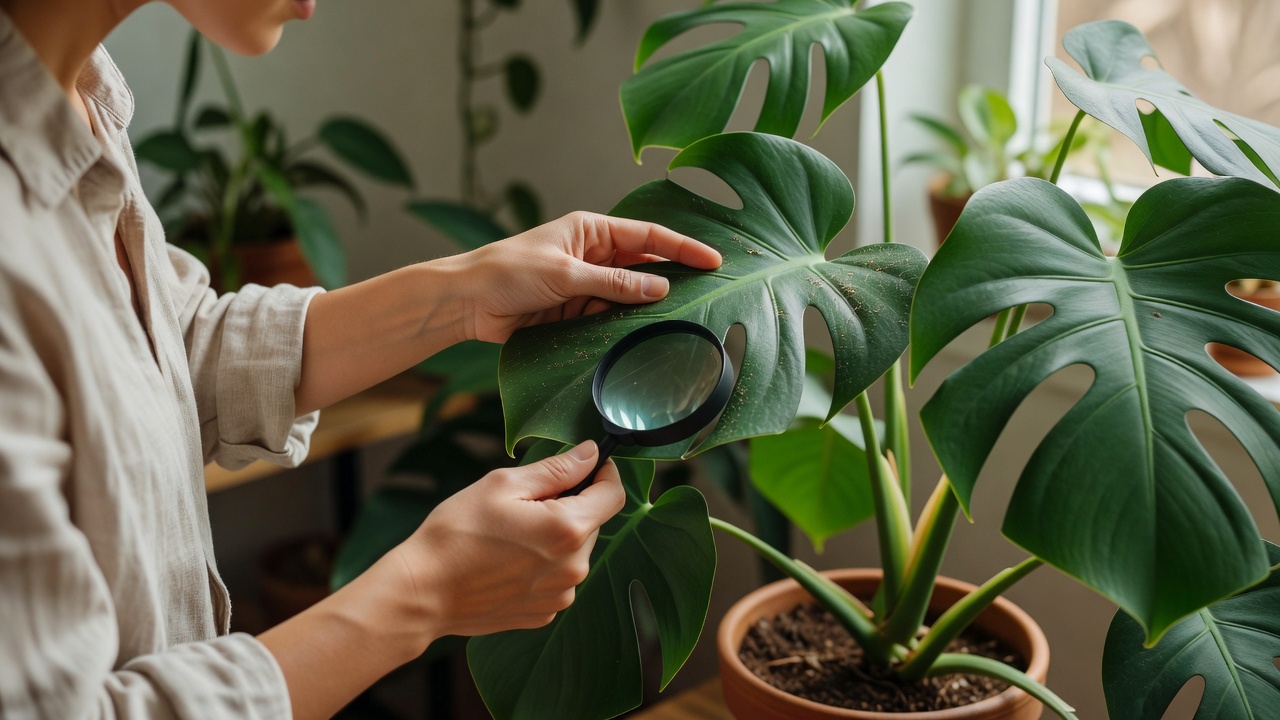
Look at the undersides of leaves, the stems, the growing tips and the surface of the medium. Changes in leaf colour or posture can have several causes. Yellowing is not a diagnosis of thirst, and a wilting plant may already have damaged roots from excessive moisture.
New plants should be inspected before joining an established collection and kept separate where practical while you watch for pests. Check for scale insects, mealybugs, spider mites and fungus gnats. If a problem appears, identify it before treatment. Follow the product label and local rules for any pesticide, and consider the exposure of children, pets and other occupants.
Let the seasons change the routine
These seasonal prompts describe a typical temperate northern-hemisphere home, not a rigid calendar. A room under controlled grow lighting may behave differently. Respond to actual growth and measured conditions, and adapt the routine to local climate.
Spring
Review new growth, root space and the condition of supports. Increase watering only as demand rises. Consider repotting where justified, rather than moving every plant into a larger pot automatically.
Summer
Watch for stronger sun, hot glazing and increased water use. Acclimatise plants to changed exposure. Confirm how the garden will be checked during holidays, including irrigation equipment and room ventilation.
Autumn
Reassess daylight as days shorten. Review feeding in relation to growth, and inspect plants brought back indoors. Check that seasonal furniture changes have not moved foliage into shade or a draught.
Winter
Observe the combined effects of reduced daylight and indoor heating. Avoid assuming that dry room air means a wet root ball needs more water. Keep foliage away from cold glass and direct heat sources.
Feed and clean with restraint
Fertiliser cannot compensate for unsuitable light or unhealthy roots. Choose a product appropriate to the plants and growing system, follow its instructions and avoid treating stronger concentrations as more effective. Excess salts can damage roots. If growth declines, investigate the conditions before increasing feeding.
Remove dust with a method suited to the leaf surface, supporting delicate foliage as necessary. Avoid routine use of oils or household polishes. Clean glazing where safe to do so, because the environment around the plant matters as much as the plant itself. Keep tools clean and remove dead material without leaving debris hidden behind containers.
Plan for absence and handover
A simple care sheet should identify each plant, describe how its moisture is checked and show where excess water is removed. Include contact details for the usual caretaker and instructions for isolating an irrigation supply. Photograph the normal arrangement so a temporary caretaker can recognise a change.
Test any automated system while someone is present before relying on it during an extended absence. Check reservoirs, emitters and leak alerts rather than treating an app notification as proof that the whole installation is functioning. A nearby person with clear instructions can remain an important part of the plan.
Allow the garden to be edited
Some plants will outgrow their original role. Others may reveal that a room is less suitable than expected. Repositioning, pruning or replacing a specimen can be responsible care rather than a design failure. Seek species-specific advice before major pruning, particularly where the intended form cannot readily be restored.
Keep dated photographs and brief notes on watering, growth, pests and interventions. Over time, this record becomes a portrait of the home’s growing conditions. It also gives a professional caretaker a far better starting point than a list of symptoms remembered after the event.
Practical note: what to review at a care visit
Check root-zone moisture, leaf condition, pests, drainage, supports, light exposure and access. Inspect nearby finishes for water marks, confirm lighting and irrigation settings, and note any change in the room’s use.